
Travel tends to be difficult, tricky, or stressful for a lot of people. But being neurodivergent (autistic, ADHD, dyslexic, obsessive-compulsive, and more) can add a whole slew off additional travel challenges! Sometimes, my particular flavor of neuro-spicy can be a positive thing in my life. I’m great at a lot of things like pattern recognition, problem solving, and remembering random information (I’m a great trivia partner). But I’m also easily overstimulated, quick to anger/pass judgement, and often very scatterbrained. All of these things combined don’t always necessarily make for the best travel companion. But over the years we’ve found some workarounds, along with a few perks!
Neurodivergent
adjective: differing in mental or neurological function from what is considered typical or normal
*Disclaimer – I know online tests and my own research aren’t the same as talking to a licensed professional. And if you relate to some things I’m writing about, it doesn’t necessarily mean you’re on the spectrum.*
My Neurodivergency Journey
Decoding My Brain
Growing up, I always felt a little different. Why is it so much harder for me to start and stick to even the simplest of routines? How can everyone else remember things so easily? I have to write down instructions word for word or else they’ll go in one ear and out the other, but also can remember random embarrassing comments I made 10 years ago. Why am I the only one having a meltdown from of an unexpected change of plans? No one else I knew had issues with food or clothing textures, or could spend 24 hours reading while forgetting to eat, drink, or sleep. Why am I such an over-sharer, who doesn’t understand why people think it’s “taboo” to talk about things like money, relationship details, or medical issues?
The COVID lockdown really changed things for me. Being stuck at home made me realize how burnt out I was from trying to appear ‘normal’ at work or with friends. And so I began my research journey down the neurodivergent rabbit hole. To finally find something that could explain it all, AuDHD, felt like an epiphany. AuDHD is the unofficial term for having both Autism and ADHD. And it’s more common than you think. It’s believed that between 50-70% of people with autism also have ADHD. Surprisingly, it wasn’t possible to be diagnosed with both until 2013! Contrary to the current rhetoric in the United States, there isn’t an “epidemic” or “over-diagnosis” happening. The diagnostic criteria has changed over the years, expanding with new information. Plus there has been a new focus on women – a group that had previously been overlooked.


Getting a Diagnosis
I was honestly hesitant to post this, as I haven’t been formally diagnosed yet. I felt like I didn’t have a right to talk about my struggles or claim to be part of this community. But unfortunately getting an official diagnosis is easier said than done. It’s tough to be taken seriously, especially as a 30-something woman without the “typical” over-active outward presentation who also excelled in school/work environments. I can’t tell you the amount of times I’ve been told it’s just anxiety and/or depression!
It’s hard to drop the mask you’ve worn your whole life, making it difficult to show a doctor what’s truly going on in your head. Plus the symptoms of autism and ADHD often contradict and hide each other! Then there are those that say I’m just jumping on a bandwagon. “Oh, you’re on THAT side of TikTok. Everyone is a little bit autistic/ADHD”. Let me tell you, everyone is definitely NOT. Neurotypical people don’t spend 3 years researching if they’re autistic or not!
The biggest hurdle to an official diagnosis, besides finding the right doctor, is the financial burden. Even with insurance, it can cost hundreds or thousands of dollars. Plus the last time I checked, the waitlist for specialists in my area was over a year long! Since I don’t want any medications or need documentation for accommodations, spending money just to validate what I already know doesn’t seem worth it. So while I look into alternative routes, I’m focusing on developing productive and healthy coping mechanisms.
How My Neurodivergent Brain Affects How I Travel
The process of writing this was kind of overwhelming, putting all my quirks and difficulties in one place. I don’t want to make it seem like being neurodivergent is a negative thing, or that it makes travel impossible. You can still have great travel experiences just like everyone else! It just takes a bunch of extra planning and work. I will say it does make running a travel blog a bit difficult though…
Forgetfulness
This is probably the most frustrating part for me. I have to make endless lists, and triple or quadruple check them, so I don’t forget to bring something. And then often realizing something was ultimately left off the list anyway. I’m also that person who constantly checks where my passport is, because I’m convinced I forgot or lost it. My forgetfulness also makes me a bad travel blogger. Before a trip, I come up with a million ideas for photo and video content I want. But then when I’m actually there, it completely leaves my brain!
Planning and Organization
But because of my (selectively) terrible memory, I’ve become AMAZING at planning and organization to compensate. It also helps to tamp down the anxiety of being in an unfamiliar place/situation. My plans always end up being crazy detailed, even just for going to an event or new place within my own city. On the positive side, if there isn’t a plan then I’m okay with winging it. I’m also great at coming up with an entire trip itinerary in just a few hours/days! But the problem with strict plans comes when something inevitably goes wrong or plans change. It can derail my entire day and sometimes even make me shut down/not want to do anything else.
All the planning I do means I need to keep all that information super organized. That’s where my planning spreadsheets come in. They make it super easy for everyone to find any info they need before our trip. I also keep track of every place I’ve been to or want to go to. This has made me the go-to person for recommendations in a city I’ve visited, because I’ve flagged so many places!


Sensory Overload
If I had a nickel for every time I’ve gotten frazzled/snippy because I was overwhelmed by crowds or sounds, I’d probably be a millionaire. Which is why my love of living in large cities like Philadelphia or the New York City metro feels contradictory! But being immersed in these bustling areas has actually helped me learn to tune some things out. Which in turn has made exploring large touristy cities in other countries somewhat easier. Unfortunately it seems like no amount of immersion therapy will totally stop me from getting overwhelmed in crowds though! And hiding the fact that I’m dealing with sensory overload during trips causes me to feel drained for a few days after.
Sure, crowds at popular tourist attractions can’t always be avoided. A lot of people like to see the same things! But my aversion to crowds can often be a blessing. It means we tend to avoid ‘tourist trap’ restaurants or waiting in line for ‘must-try’ places. Instead we track down spots off the beaten path that other people may miss and are less crowded. I’m also likely to know the best time to visit different cities or attractions to avoid peak crowds!


Inattentive vs Hyperactive
I’m either super excited and hyper-focusing on something or I’m struggling to keep paying attention, there’s really no in between. I’m a chronic hobby hopper, moving on when I get bored. So I’m proud of the fact that I’ve continued posting here and pushed through the lulls in interest when my brain wanted to move on. This often makes it hard to write after a trip is over as well! It’s difficult to stay interested when I’ve mentally moved on to the next trip I want to plan. This also leads to procrastination, because there’s no urgency.
The plus side of the hyperactivity is that I tend to have a LOT of energy when we go on trips that I’m excited about. This helps me to cram a whole lot of sightseeing (and food) into a short amount of time!
Anxiety
A lot of my anxiety is my fear of being perceived as ‘different’ or ‘weird’ or ‘extra’. It has me convinced I’m always being watched when I’m doing normal touristy things like everyone else! Which can make getting the photos I want during our travels a bit difficult. I don’t want people to see me waiting to “get the perfect shot”, so I take what I can get and then move on. This is actually something I’m in the process of working on, as I’ve slowly realized that I pay zero attention to what the people around me are doing. So why would I assume others care that I want an aesthetic shot of the Trevi Fountain or close-ups of my fancy meal in Stuttgart?
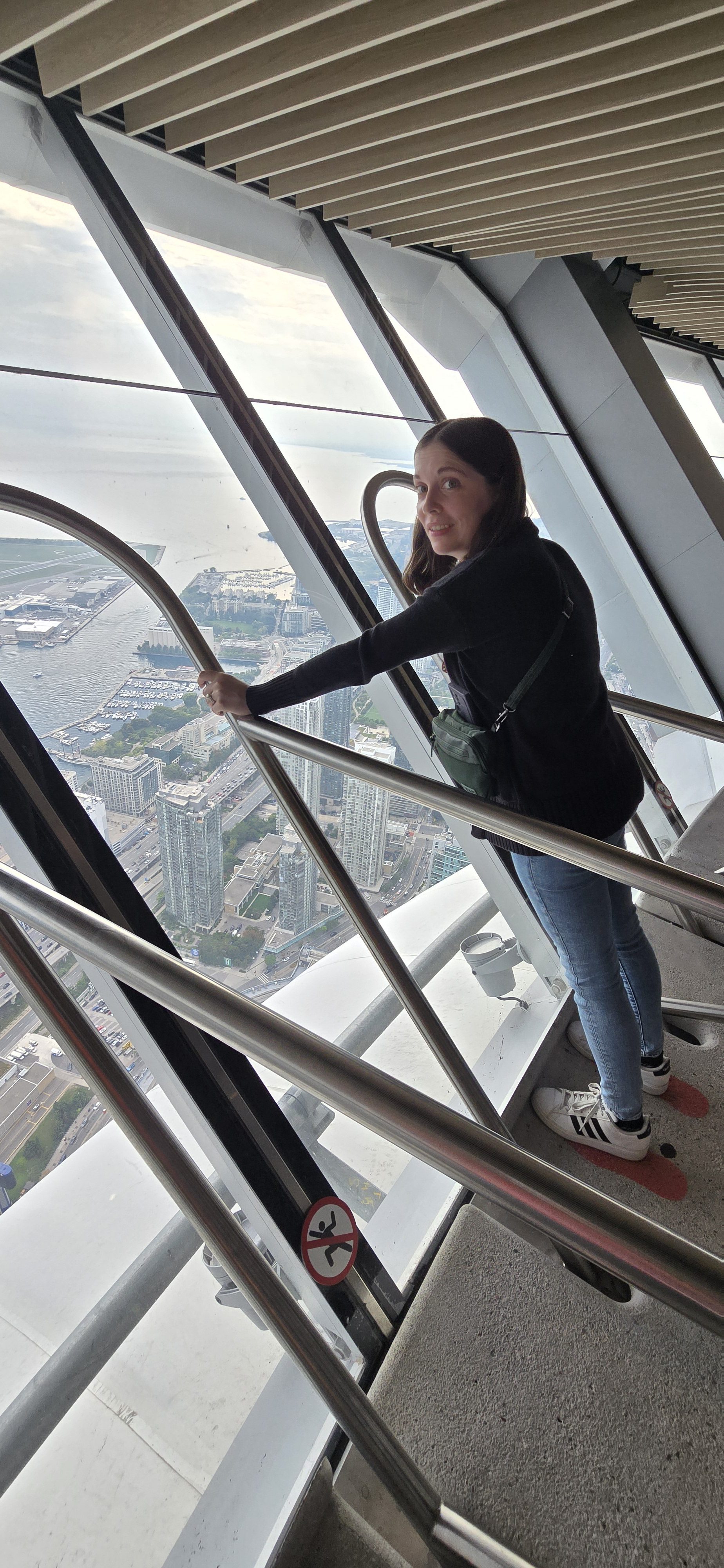
I’m also super conscious about trying not to break any rules, no matter how small, even when no one else is abiding by them. Unless it’s a crosswalk sign, which I’ve somehow convinced myself is just a suggestion. On a recent trip to Toronto, we visited the iconic CN Tower. I was so focused on the time limit they had posted at the OverView, that I got stressed when my husband tried to take a couple pictures of me (which would’ve only taken 30 seconds) because we’d already gone less than a minute over. My uneasiness when it comes to heights probably didn’t help either. The rational part of my brain knows most of the things its worried about are unnecessary, but it doesn’t seem to matter.


Neurodivergent Travel Tips
Research, research, and more research
I’ve found that the more I know about where I’m going and what I’m doing, the easier it is being in an unfamiliar place. And coming up with backup plans, in case you need to pivot unexpectedly, can help ease anxiety and avoid meltdowns. Check the menus of the restaurants you’re planning to visit so you know what to expect in advance and to make sure there will be things you will enjoy. In the days before menus were common on websites (dating myself here) I always hated going to a new restaurant and realizing there was nothing I could eat. And then being too anxious to leave!
Avoid Layovers Whenever Possible
I know sometimes it can’t be helped, but I’ve found that the shorter I can make travel days and the less transfers I have, the better the first day or so of a trip will go. I know this tends to be the more expensive option. But from my own past experience, the anxiety of missed connections and worrying if our checked bags were going to make it wasn’t worth the money we saved at the time. Plus being too burnt out after long/stressful travel days meant we missed out on doing some things we’ve wanted to do!

Plan an Itinerary
As much as I’d love to be a go with the flow girlie, it just doesn’t work for me. Putting together an itinerary, so I know what to expect each day, helps with my indecision and anxiety around unfamiliar situations. I’d much rather people get annoyed with how much I’ve ‘over-planned’ a trip than risk ruining said trip because I got overstimulated and wanted to leave!
Not to toot my own horn (okay maybe just a little), but I’m constantly told how great the trips I plan are.
Build Down Time Into Your Schedule
This is the hardest part for me, because I want to try and pack as much into our short trips as possible. But burning yourself out will just make the trip worse! I usually try to plan at least an hour or so into each day (usually before heading to dinner) to sit in the hotel room, doom scroll on my phone, and give my brain some time to decompress. You’ll be surprised how much better you feel after!
Don’t Be Afraid to Use Your Coping Mechanisms
It took me a while to get to this point myself, but don’t be afraid to do what you need to in order to be comfortable. Have everything planned out, but still feeling overwhelmed? This is when I know to deviate off course and stop for a little treat like a snack, cocktail, or coffee to decompress. Then jump back into things when I’m feeling better. Bring headphones for situations where you know you’re likely to get overstimulated or feel uncomfortable. For me this key for when I’m alone and on a plane or train. Now there are also plenty of situations where headphones aren’t really an option because I want/need to be aware of my surroundings. In those situations, since I’m not a fidget spinner person, I make sure to bring a necklace or hair tie on my wrist that I can play with when I’m feeling anxious.
Have any good neurodivergent travel insights or tips? Let me know in the comments!

Leave a Reply